

Love your Living Downs
Adopt-a-plot
Scheme opens winter 26/27
Find out more about how your donation and involvement in Adopt-a-plot conserves Bristol’s most famous green space.
What is the Adopt-a-plot scheme on the Downs?
Within a city of over 500,000 people, the Avon Gorge and Downs is one of Bristol’s most iconic and valuable natural sites. Internationally recognised as a Special Area of Conservation and nationally as a Site of Special Scientific Interest, the Gorge and Downs ecological network hosts species found nowhere else in the UK and in some cases, nowhere else in the world.
Adopt-a-plot is a small way you can make a big difference for nature in Bristol and make a contribution to the communities of wildlife and people on your doorstep, protecting the Downs and Gorge now and into the future.
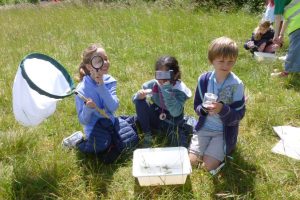
For a donation amount of your choice for a year, you can feel assured that schoolchildren, students and groups of need across Bristol have the opportunity to engage with this amazing natural world on their doorstep. What's more, you are in addition directly supporting practical conservation work such as species monitoring and scrub management.
All donations to Love your living Downs: Adopt-a-plot go straight back into the project to provide learning and engagement for schools, playschemes, families and other groups in and around Bristol and to fund direct conservation activities.
When you Adopt-a-plot on the Downs you will experience the warm feeling that you are directly helping to conserve this iconic Bristol site for people, for wildlife, forever.
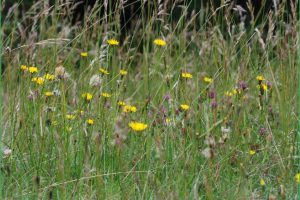
You will adopt one or more 3x3m plot on certain high wildlife value sections of Clifton Down or Durdham Down.
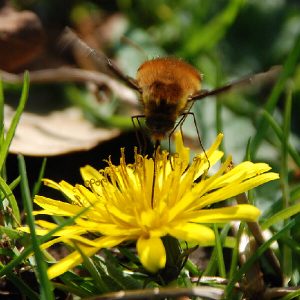
You can choose the type of habitat and which habitat location on the Downs for your associated plot. A map of the different habitats available can be found here.
The choice of habitat locations are as follows:
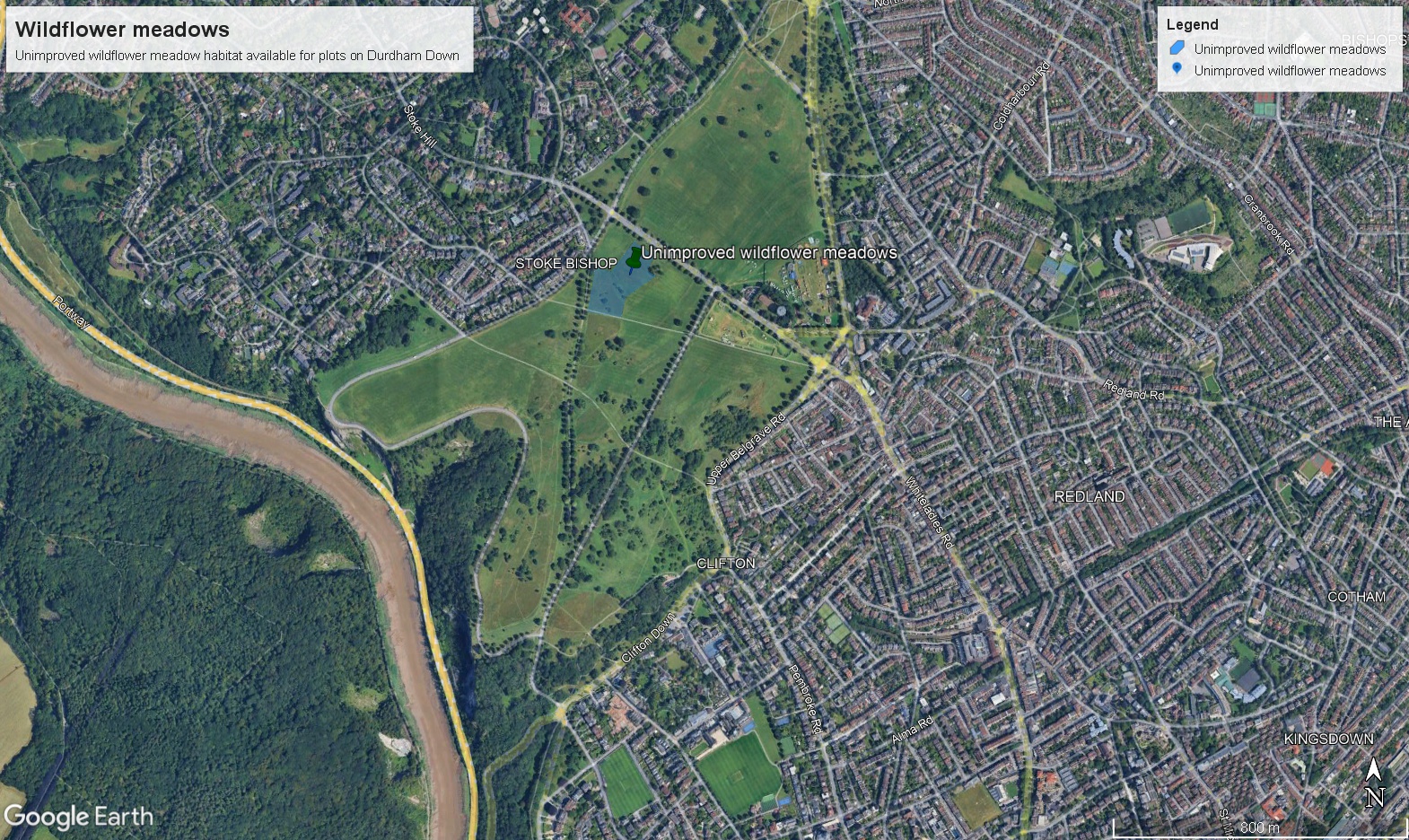
- The wildflower meadow area of Clifton Down - see the map here
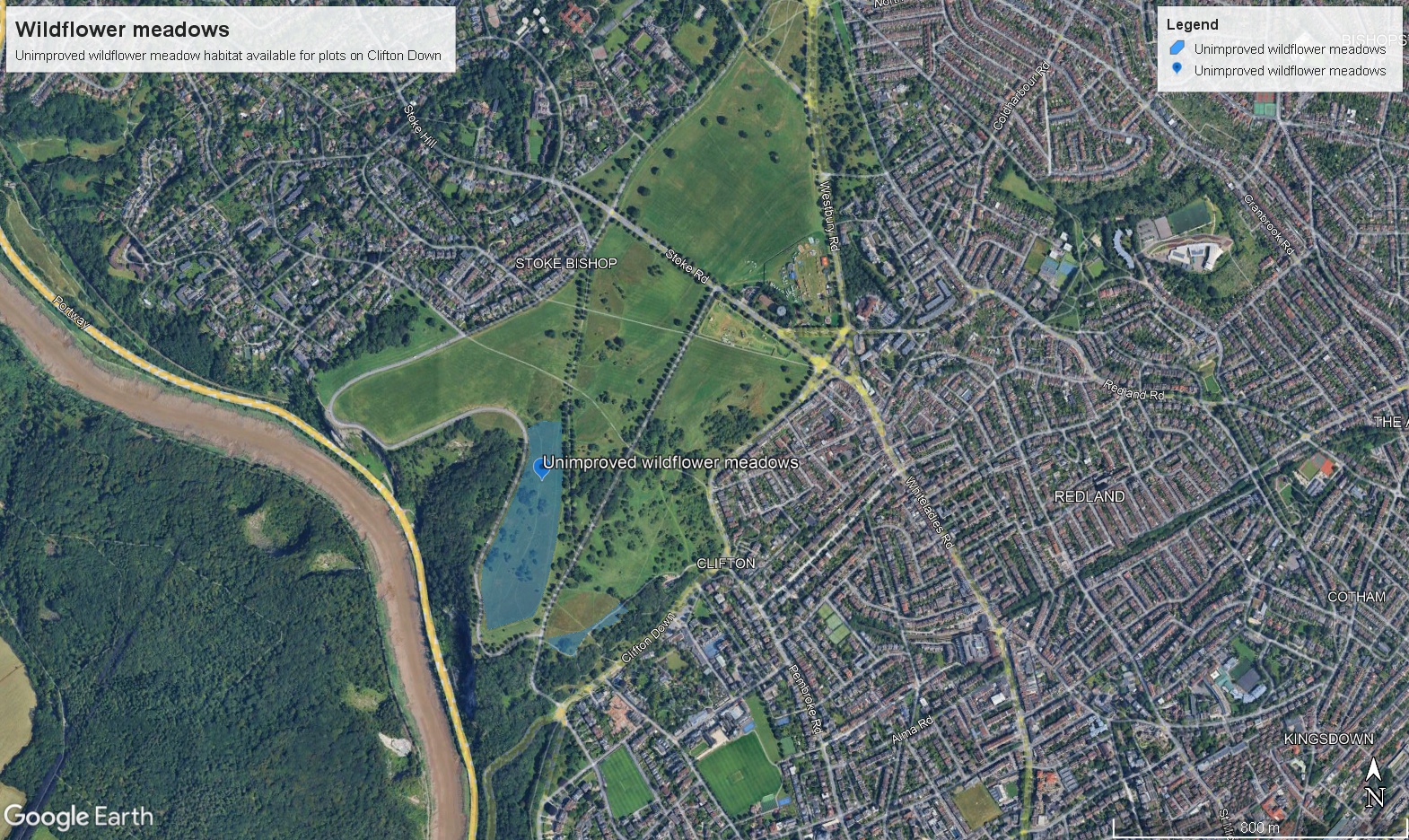
- The wildflower meadow area of Durdham Down - see the map here
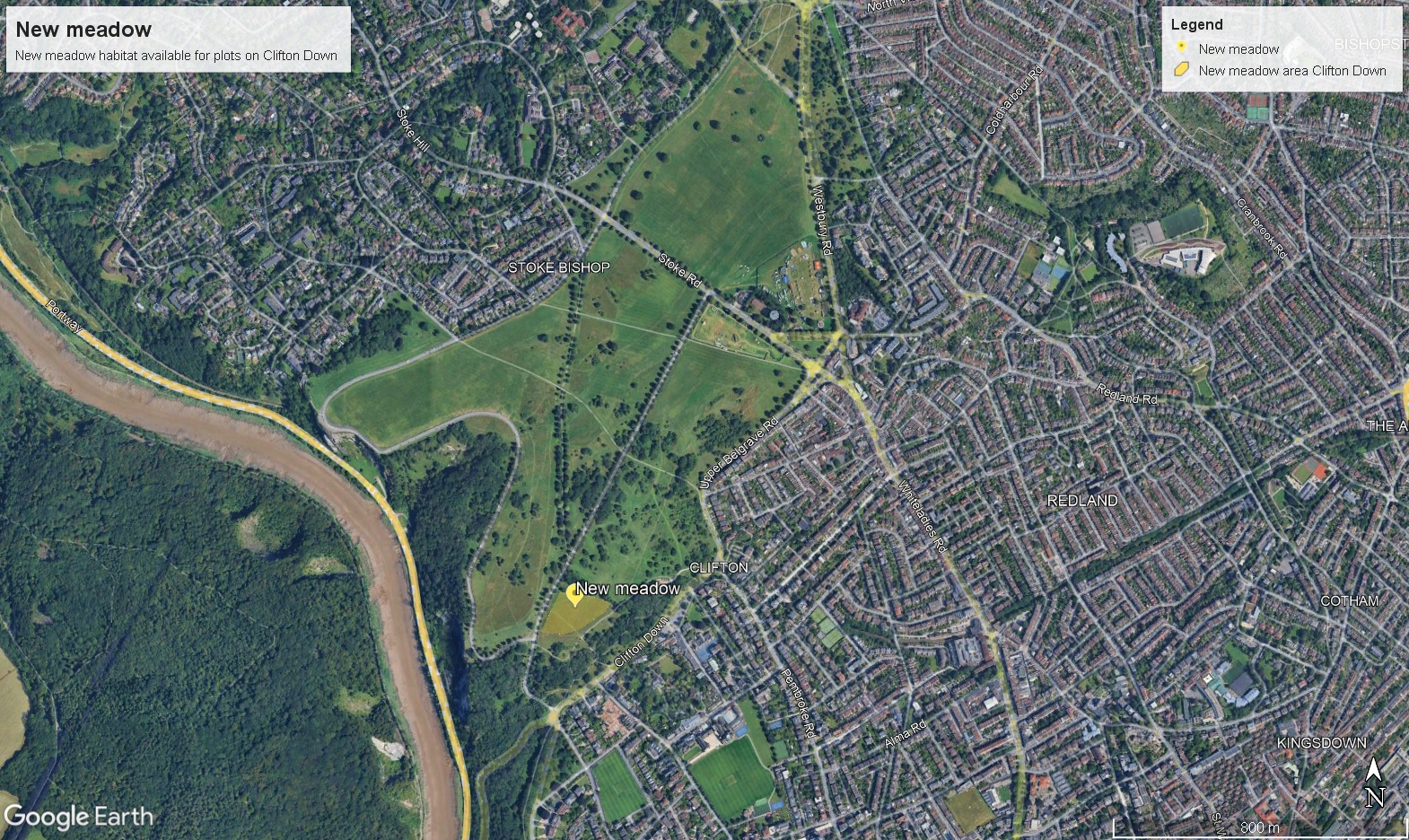
- The new meadow area of Clifton Down - see the map here
- The tussocky grass area of Clifton Down - see the map here
- The tussocky grass area of the Granny Downs - see the map here
- The tussocky grass area of the Dumps - see the map here
When you've chosen your habitat, we will allocate your square for you, using a what3words location in an accessible part of your chosen habitat.

When we've allocated your associated 3x3m plot in your chosen habitat and its location, we will let you know the 'what3words' location. All you need to do next is download the free 'what3words' app onto your device, head up to the Downs and use your 'what3words' locator to navigate your way to your associated plot. Your device will let you know when you've arrived!
We will only allocate squares in accessible parts of the Downs. For example, we will not allocate you a square inside impenetrable scrub.
You are under no obligation to do anything with your associated plot! Your adoption is already helping to preserve and protect the site you love.
If you are willing to, you can visit your associated square from time to time, to check that all is well. Some people are keen to litter pick, and this is fine as long as it is safe and hygienic for you to do so.
If you are interested in citizen science and you are keen to have a go, you can survey your plot for plants and grasses, or pollinators, or birds and let us know what you discover! We can advise you on how and when to carry out these activities. Your results will help us to continue to monitor the health of the Downs.
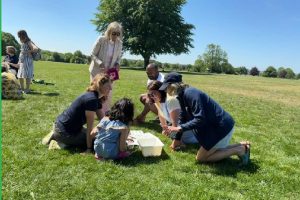
It is entirely up to you how much you choose to donate to Love your Living Downs: Adopt-a-Plot per year. As a guide we can show you how any money donated could potentially be spent during any year.
- £20 will fund an hour spent surveying for birds, grasses, flowering plants or pollinators. This helps to monitor the ongoing ecological health of the Downs and Avon Gorge, and will inform management.
- £30 will fund one of our tutors to run a tailored 'free of charge' session with Bristol primary school children, university students or a group with needs - including the equipment needed.
- £40 will fund materials we use with our schools, groups of need, or public event sessions - such as willow, clay or card.
- £50 will fund 10 field study wildlife guides for use with any of our groups.
- £60 will fund a messaging banner to help keep the Downs 'fire and barbecue free'.
- £100 will fund two lamp post wraps to help encourage responsible behaviour on the Downs, to protect our wildlife on site and keep the Downs special for the people of Bristol.
- £100-£200 will help fund one of our experts to deliver a public engagement session on anything from birdsong to invertebrates, bats to heritage - to share the amazing natural and historical history of the Downs and Avon Gorge with the people of Bristol.
- £200+ will help to fund longer term signage on the wonders of the Downs.

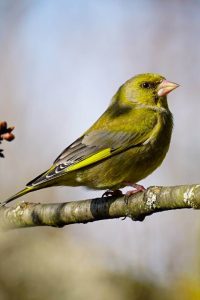
In addition to knowing that you are part of the community helping to look after Bristol's beautiful iconic landscape for future generations, and providing engagement and learning to people of all ages, we will thank you for your kind donation by offering you the following:
- A beautiful digital certificate with a picture (choice available) from your valued habitat to say thank you for your kind donation.
- An invitation to join us on one of our special donor's 'Deep Dive' sessions, which happen through the year, to learn more about the amazing Downs and Avon Gorge and its incredible wildlife.
As you are donating to support engagement, education and direct conservation activities in association with a unique plot on the Downs, There are very important Terms and Conditions concerning the adoption. All people who adopt a plot under the Love your Living Downs: Adopt-a-plot scheme are required to bide by these Terms and Conditions. The associated Terms and Conditions can be found, read and downloaded here. Please take some time to read through these.
These Terms and Conditions exist to protect the Downs, ensuring no-one abuses the site and that it is looked after for ecological and community purposes. The Downs and Avon Gorge on the Bristol side is owned by Bristol City Council and the Society of Merchant Venturers.
Avon Gorge and Downs Wildlife (AGDW) was launched in 1999 and is working to secure the outstanding wildlife interest of the Avon Gorge, Clifton and Durdham Downs. You can explore how we deliver engagement and learning in more detail here. Discover our active conservation work here.
AGDW is delivered by Bristol Zoological Society and is a native species project. The project is overseen by a Steering Group of experts, who inform and carry out activities to protect the long-term biodiversity and habitat of these sites for wildlife and people. The Steering group members are Bristol Zoological Society, the Society of Merchant Venturers, Bristol City Council, Natural England, National Trust, Forestry England, University of Bristol Botanic Gardens, Friends of the Downs and Avon Gorge.
The engagement team is hosted by Bristol Zoological Society and funded by the Society of Merchant Venturers, the Nisbet Trust and the Pople Trust.
What do I do next?
The next step is to have a think about which habitat feels most important to you on the Downs to support, which you would most like to be associated with and visit. Here is a little overview of the three wildlife-rich habitats we are making available to be associated with the Adopt-a-plot scheme:
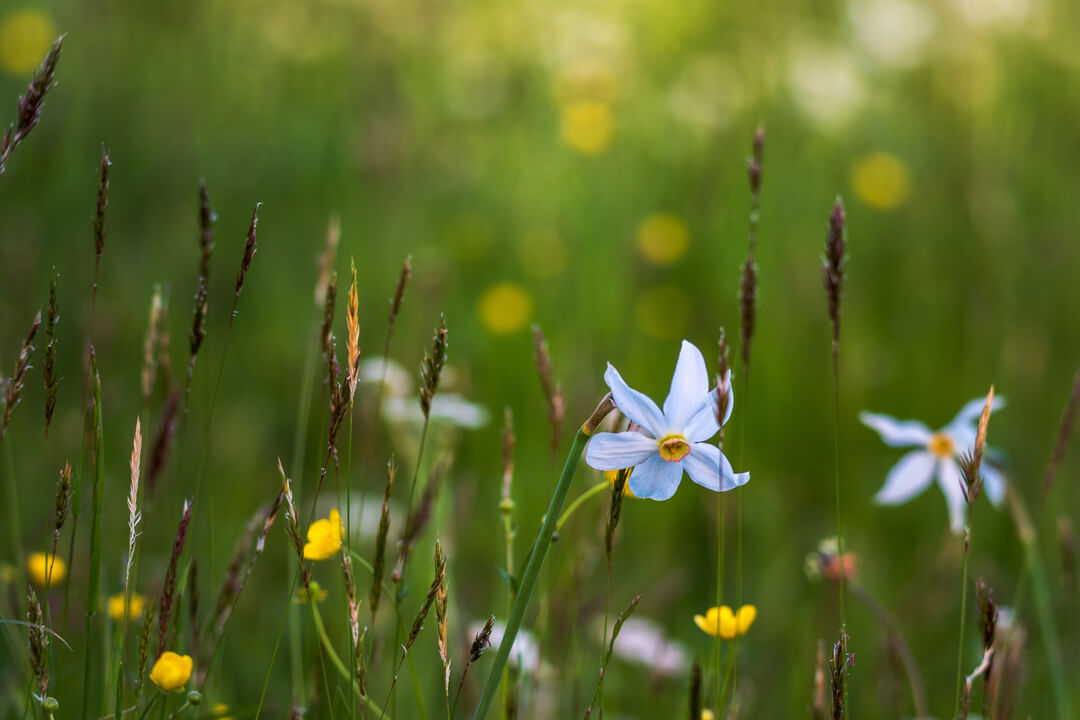
Unimproved wildflower meadows: these meadows are ancient grasslands which have remained unimproved or influenced by human hand for many hundreds of years. They sit on thin limestone (calcareous) soils and are archetypically English. Over the past 100 or so years, these valuable, species rich grasslands in England have declined by 90% - which is why our meadows on the Downs are so important. Grasslands like our wildflower meadows on the Downs are the most species diverse habitat in the country, hosting a vast array of flowering plants and grasses such as bee orchids, wild thyme, dropwort, autumn lady's-tresses, oxeye daisy, quaking grass. The meadows are cut once a year in a hay cut to replicate the past grazing of sheep, which maintained their beautiful condition over so many hundreds of years. These meadows are rich in invertebrate and small mammal life, which in turn support our birds.
New meadow: the new meadow is an area of limestone grassland which is recovering from compaction and having been influenced and impacted by humans in recent decades. Its condition is gradually improving through natural regeneration of plant and grass species which have survived within it, and from seeds which are brought in naturally by wind and animals from the nearby and adjacent wildflower meadows. This area has also been scattered with wildflower seed mixes to complement natural regeneration in recent years. We can see, year by year, this meadow becoming richer and more diverse in plant communities. The new meadow is cut once a year in a hay cut to replicate the past grazing of sheep, which maintained its condition for many hundreds of years.
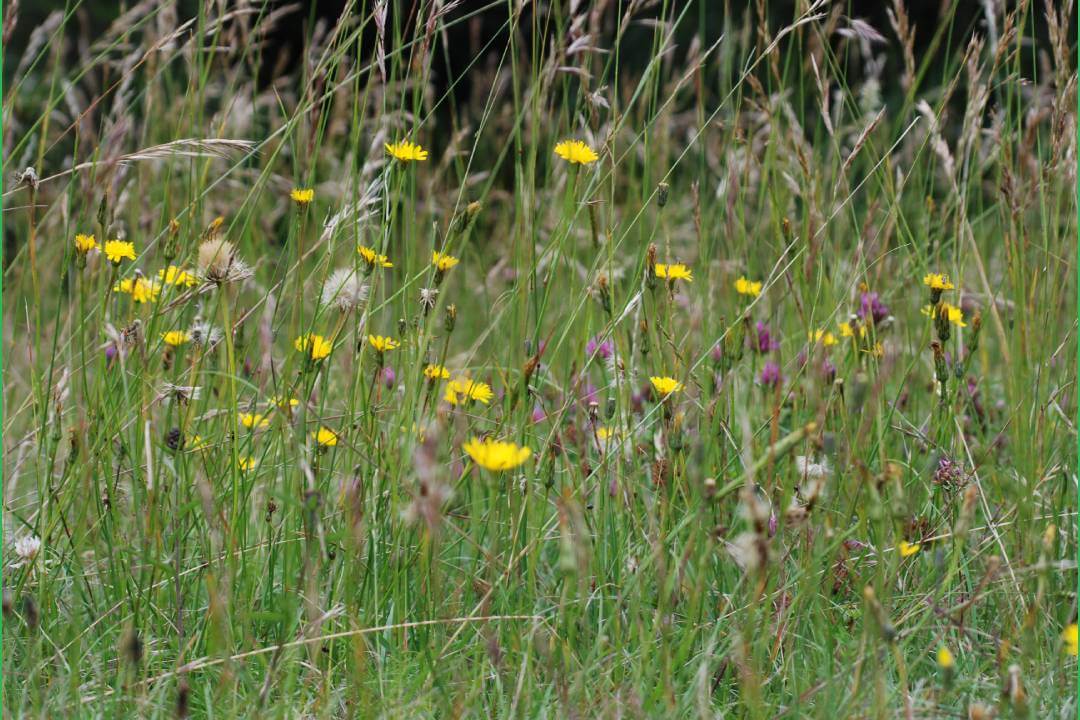
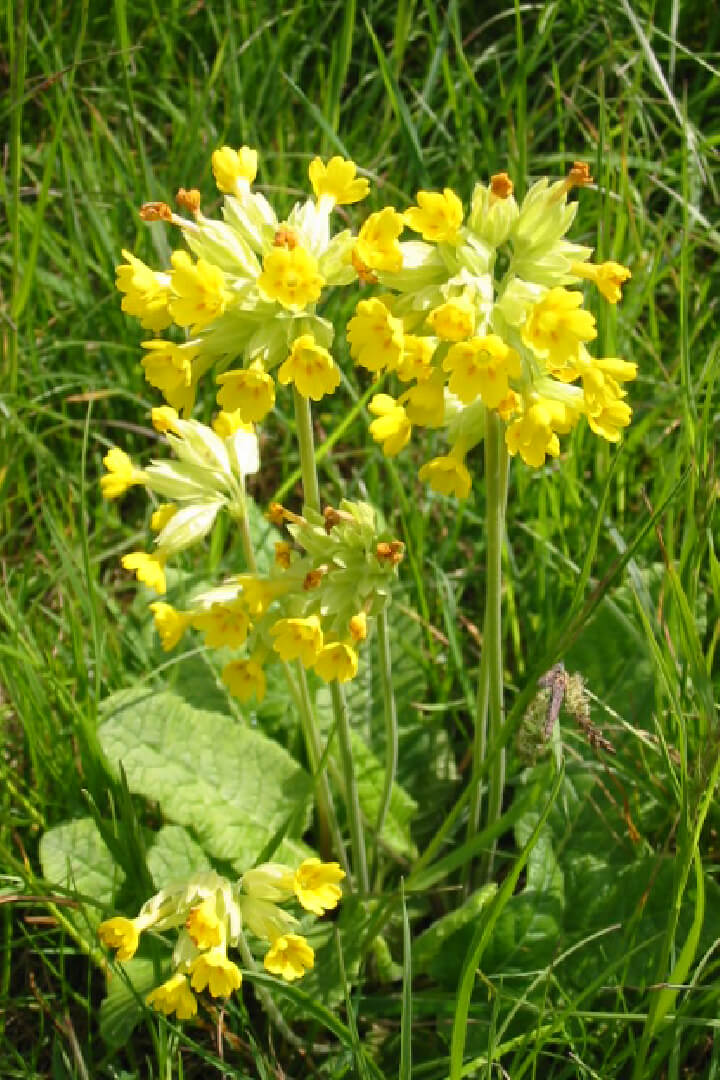
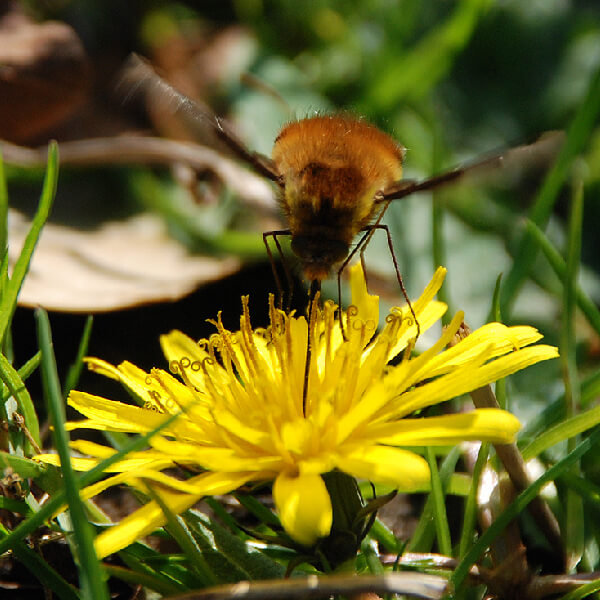

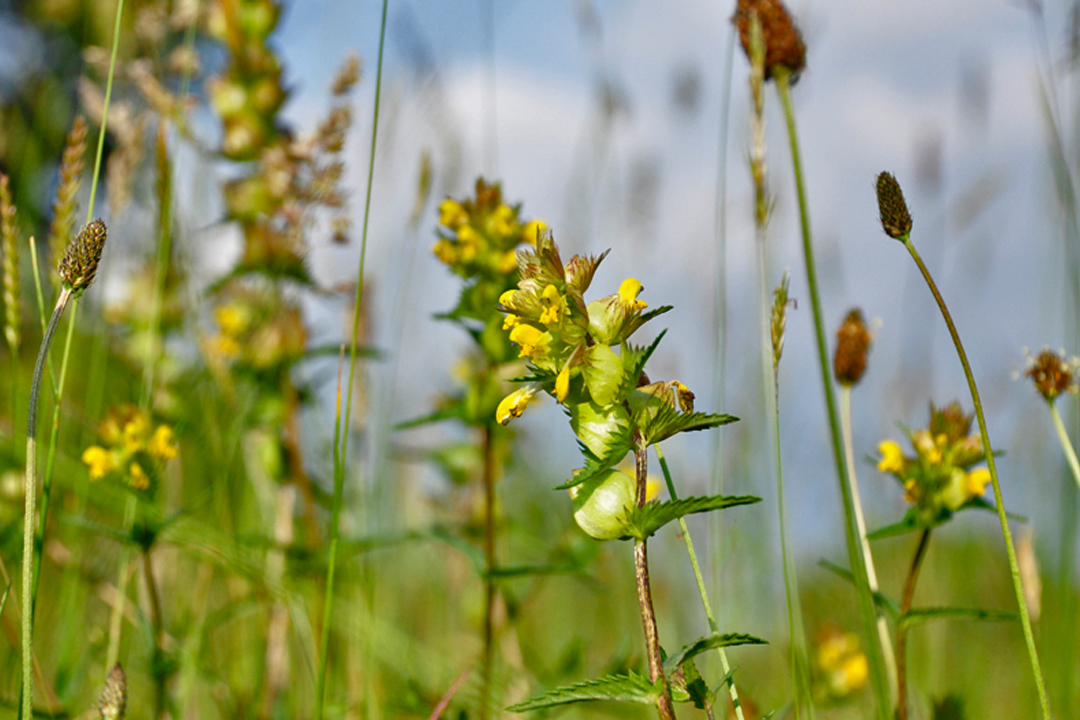

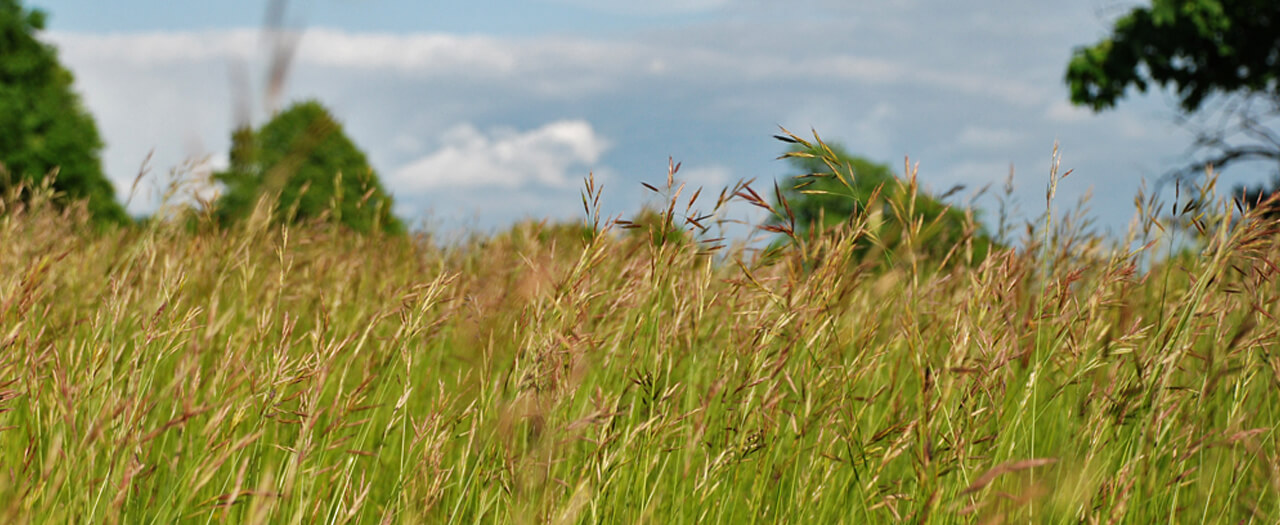

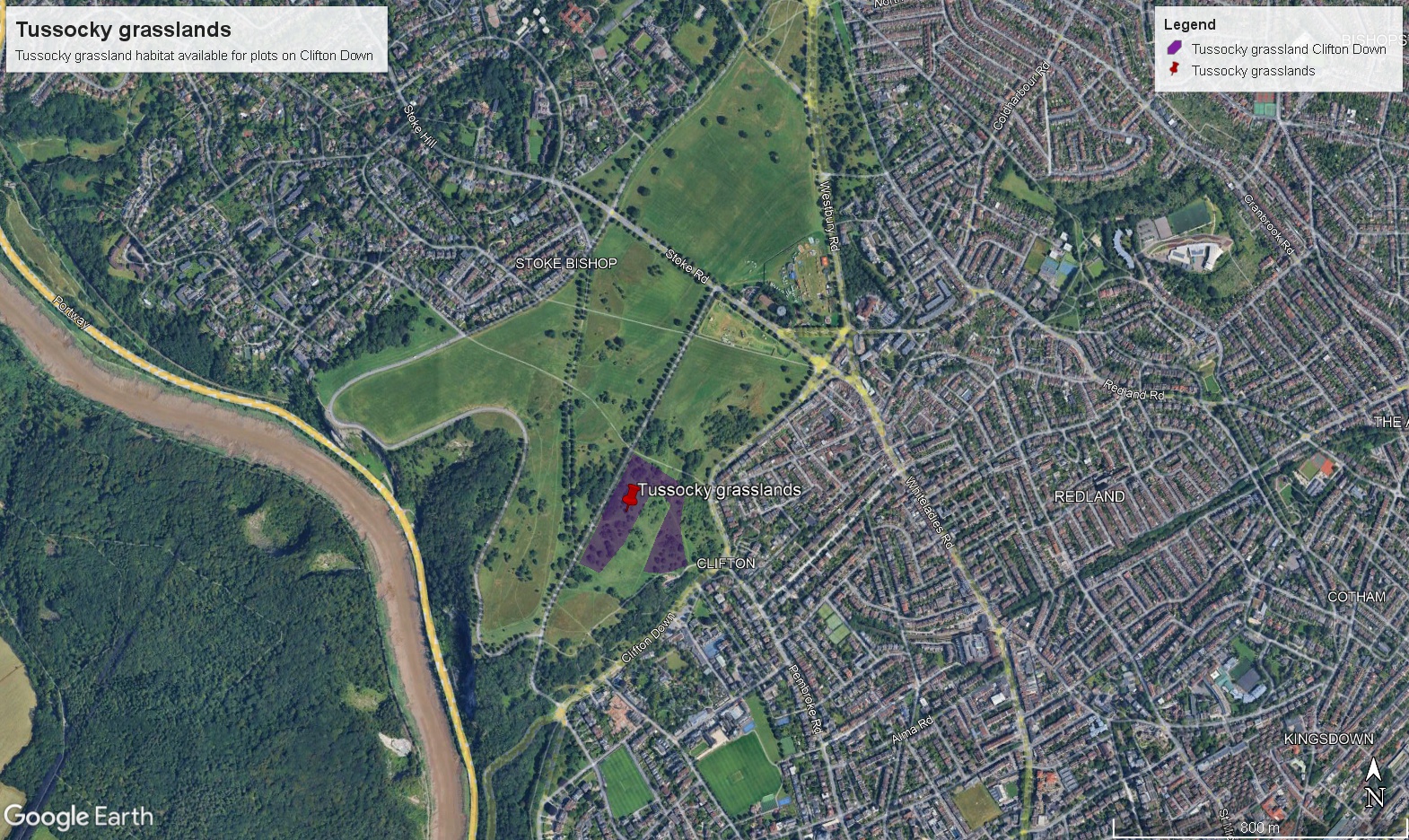
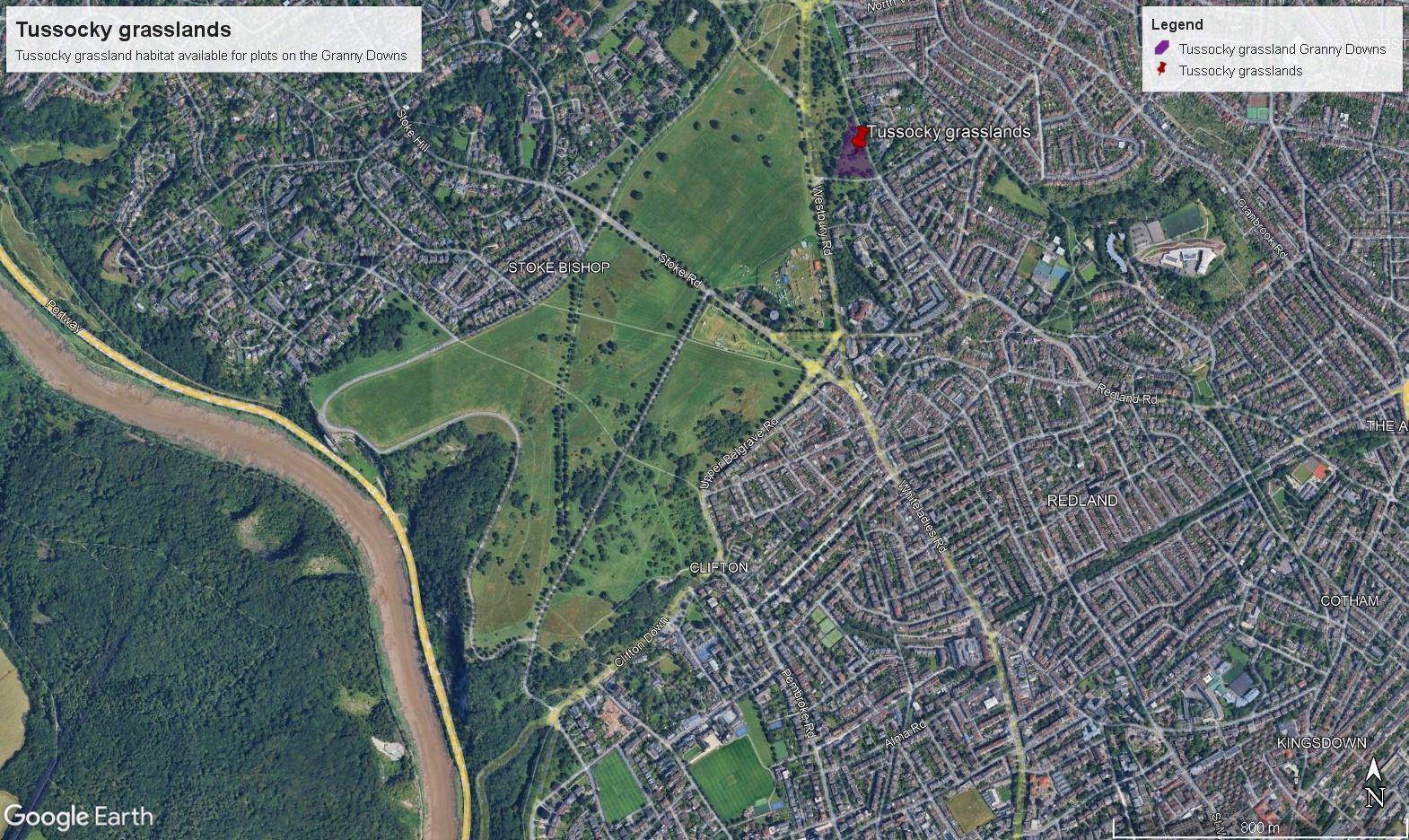
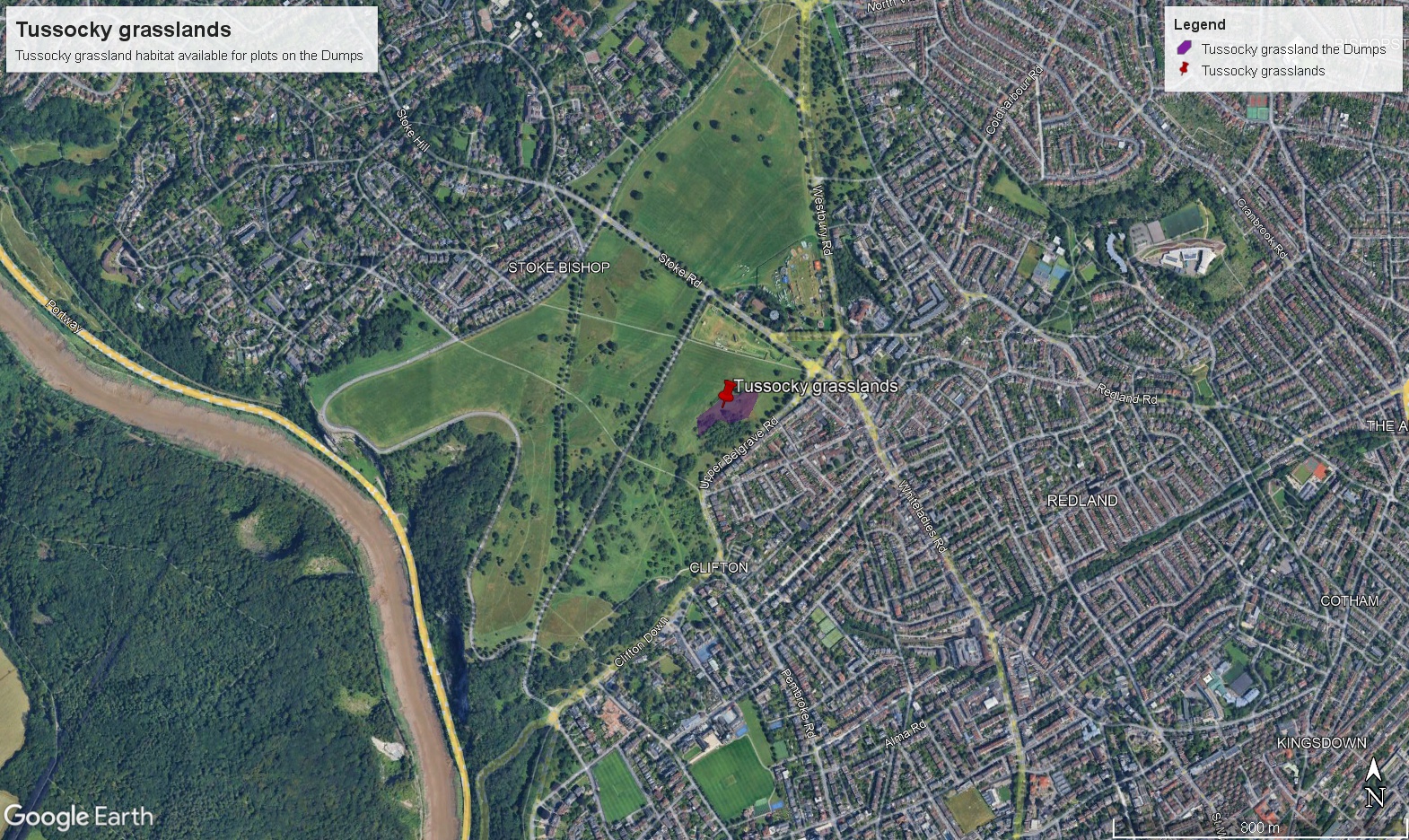
Tussocky grasslands: these grassland areas consist of semi-improved grasslands meaning they have received some 'improvement' or 'enrichment' to the soil in the past. A typical feature of this habitat are the scrub patches dotted throughout. Scrub patches are a natural feature of grasslands and an important element of the habitat, as long as they do not get out of hand and are managed well. The tussocky grassland areas on the Downs are divided into compartments, which are cut on a one, two or three yearly basis in rotation. This means that there is always one compartment remaining uncut through the winter period, in each tussocky grassland section. This is vital for enabling overwintering insects to find a safe space for hibernation, protection and pupation ready to emerge the following spring. These in turn provide a source of food to birds and mammals. An important microhabitat of tussocky grassland is the 'moat' around a scrub patch which provides the transition corridor from grassland to scrub.
Map of associated habitats for Adopt-a-plot
We have carefully chosen the wildlife-rich habitats on the Downs to be associated with adopting 3x3 plots in the Adopt-a-plot scheme. You can see the map of all available habitats below, and you can click on the links to view each individual habitat location in a little more detail.
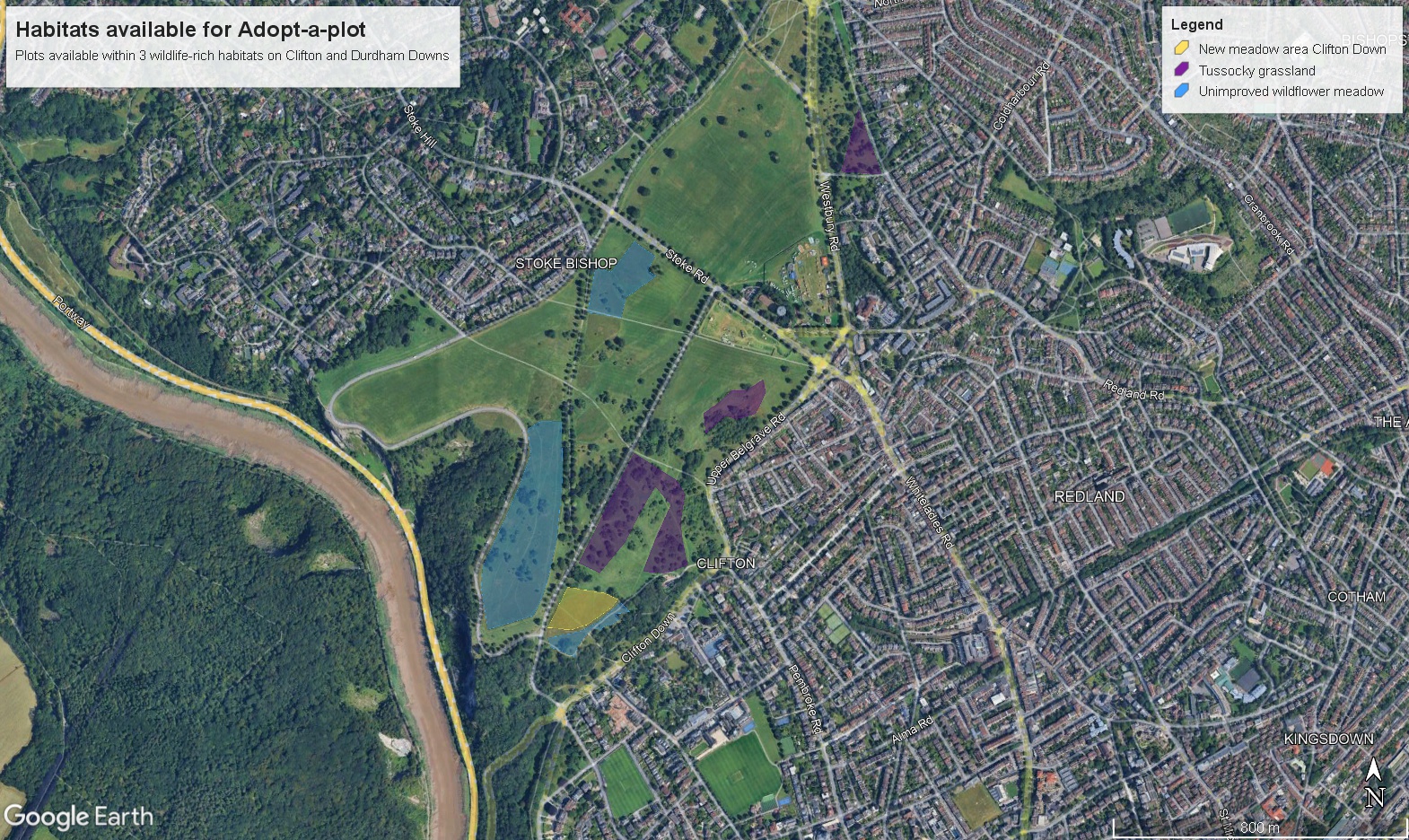

You can choose the type of habitat and which habitat location on the Downs for your associated plot.
The choice of habitat locations are as follows:
- The wildflower meadow area of Clifton Down - see the map here
- The wildflower meadow area of Durdham Down - see the map here
- The new meadow area of Clifton Down - see the map here
- The tussocky grass area of Clifton Down - see the map here
- The tussocky grass area of the Granny Downs - see the map here
- The tussocky grass area of the Dumps - see the map here
When you've chosen your habitat, we will allocate your square for you, using a what3words location in an accessible part of your chosen habitat.
Photographs: Meadow, Bristol rock-cress and goat (© Denice Stout), Conservation work on the Bristol side of the Gorge (© Angus Tillotson – Ropeworks), Pen and ink drawing of sheep on the Downs from below the Observatory; T L Rowbotham, 1830 (© Bristol Culture Mb 499). All other photos © Avon Gorge & Downs Wildlife Project and Phil Jearey. Goats in the Gully video © Jess Pitcher.