Conservation
Collectively the Avon Gorge, Downs and Leigh Woods are a very special area for wildlife and geology. In fact the Gorge has been internationally recognised as a Special Area of Conservation (SAC) and nationally designated as a Site of Special Scientific Interest (SSSI). Part of Leigh Woods is also a National Nature Reserve and the Downs are a Site of Nature Conservation Interest.
SACs are important for habitats and species, which are rare or threatened on a European scale.
The Avon Gorge Woodlands SAC is one of the best examples of Lime-Maple ravine woodland in the UK (only found on the North Somerset side of the Gorge). The Gorge is also recognised for herb-rich limestone or calcareous grasslands which support a high number of nationally rare and scarce species such as Bristol rock-cress, Bristol onion (round-headed leek) and honewort. Limestone grassland is found on both sides of the Gorge.
To guide the management of the SAC Natural England have produced a Site Improvement Plan and Conservation Objectives.
The Avon Gorge SSSI is one of the principal nature conservation sites in the southwest. It is recognised for its exceptional number of nationally rare plants and for its exposures of Carboniferous Limestone, which are of great geological interest.
To find out more about how these sites are being managed, about the research and monitoring that underpins conservation decisions, and about the history of this changing landscape please click on the buttons below.
Living Limestones of Bristol’s Avon Gorge project

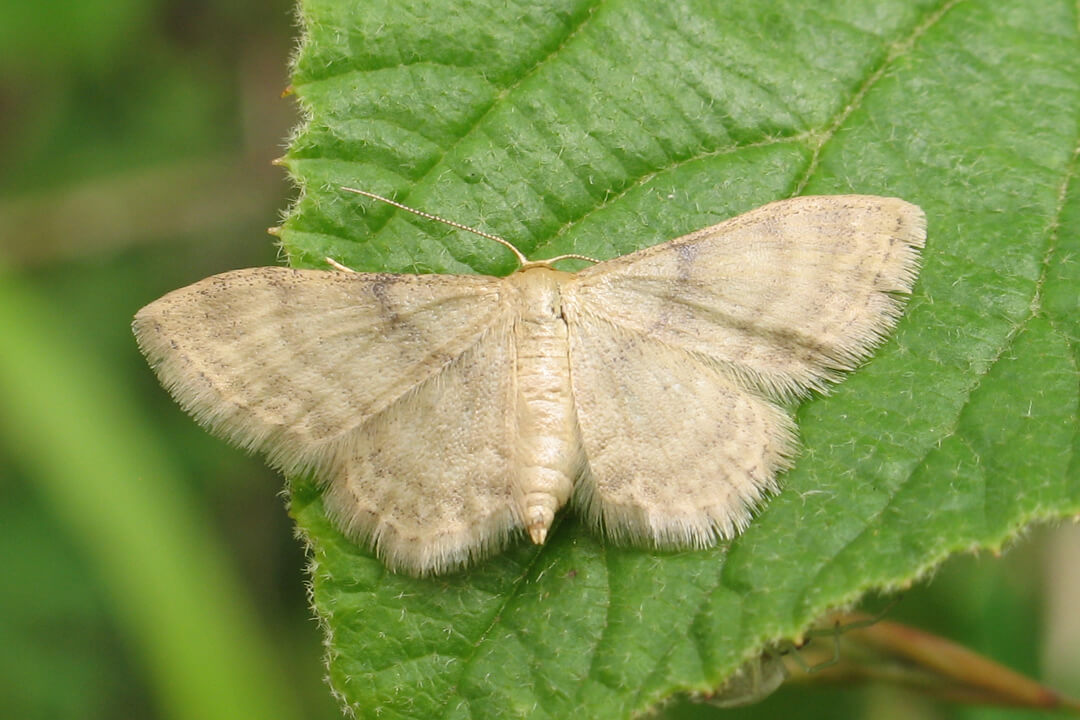
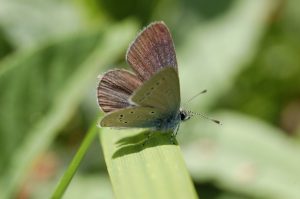
The Downs and Avon Gorge are home to some of the UK’s most threatened species of plants and animals. To protect these species, the Living Limestones project, delivered in partnership with the Bristol City Council, the National Trust, and the University of Bristol Botanic Garden, will carry out practical habitat restoration, invasive species removal, seed collection and propagation, habitat creation trials and targeted species recovery work. There are nine focus species on the UK Red List of threatened species; these include the silky wave moth, small blue butterfly, chalk carpet moth, White’s whitebeam, Bristol onion, Bristol rock-cress, basil thyme, fly orchid, and the green-winged orchid.
The Gully holds seven of these nine focus species! and goats have played a vital role in protecting the rare plants found here since their introduction in 2011. Goats protect smaller threatened plants by eating woody species like bramble and scrub, which can shade out and kill plants. Grazing also creates mixed grass length, so wildflowers can grow, encouraging insects and other wildlife.
Soon, the goats are set to receive their very own No-Fence GPS collars to help manage the areas they browse in. This comes after successful trials by the council on other conservation projects. Friends of the Downs and Avon Gorge (FODAG) check the health and welfare of the goats weekly, and they will continue to do so after they receive their collars.
Find out how we are managing the Bristol side of the Avon Gorge and the Downs for its special wildlife and geology.
Information about woodland management by Forestry England and the National Trust, who look after the northern and southern parts of Leigh Woods respectively.
Information about the vital wildlife monitoring and research which is carried out to guide and inform management work.
Find out more about historical land-use and how this has affected the wildlife and geology of this area.
Photographs: Bristol rock-cress and goat (© Denice Stout), Gatekeeper butterfly (© Kelly Thomas – Butterfly Conservation), Avon whitebeam (© Libby Houston), Bluebells in Leigh Woods (© Forestry England), Silky wave moth (© Mark Parsons – Butterfly Conservation), Merestones on the Downs (© Patrick Neave – NWBCC). All other photos © Avon Gorge & Downs Wildlife Project and Phil Jearey.